Innovative Therapies
Medical Microbiology
Medical Microbiology
Infection
Pathogenesis
Antimicrobial Resistance
Fungal Pathogens
Overview
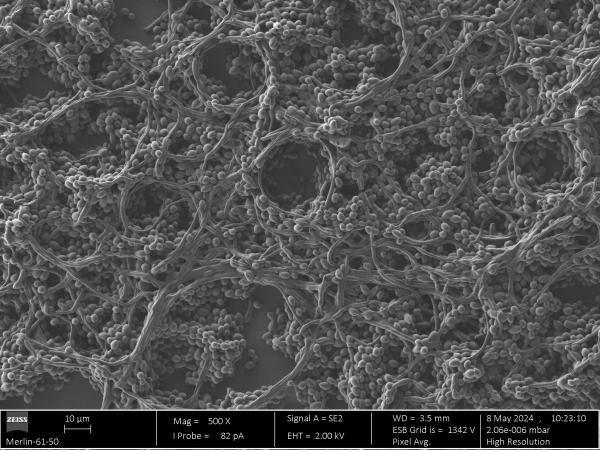
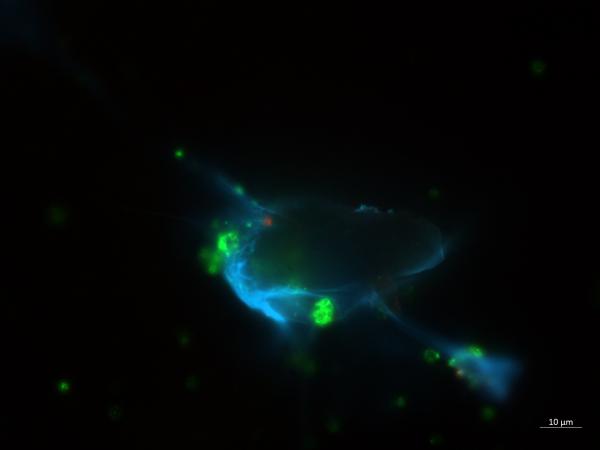
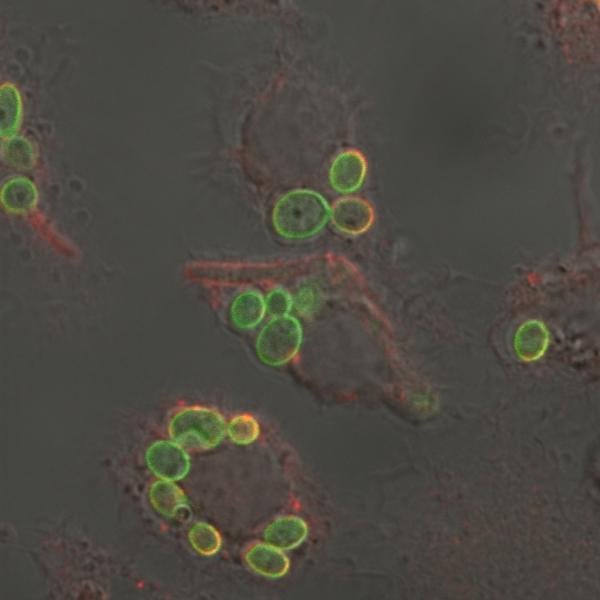
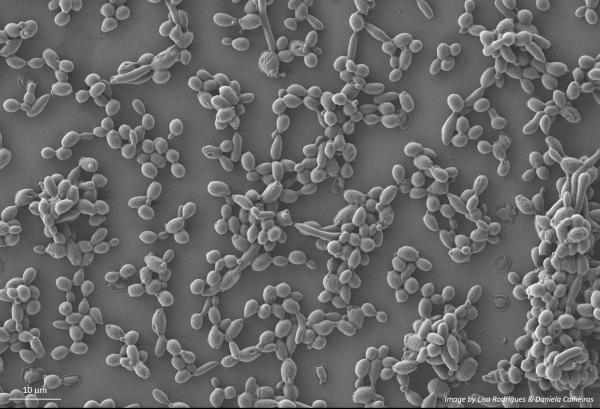
The group main interests are centered in microbial agents of human disease, the biological traits relevant to infection, the mechanisms of resistance to antimicrobials, while seeking for innovative therapies and for preventive measures. We are particularly centered in studying fungal agents, although not excluding other agents of human infection. Besides Candida albicans, an important agent of opportunistic infection, we focus our studies in filamentous fungi, Alternaria spp., as agents involved in respiratory allergies. Our focuses are:
1. Impact of the purinergic system in infection/colonization. We pursue how the purinergic metabolism and the adenosine A2A receptors can be modulated to ameliorate pathological conditions of the elderly such as chronic inflammation of the gut. Together with our internal and external collaborators we are also tackling the involvement of the purinergic system in the control of microbiota (including mycobiota) and infection.
2. Improving asthma diagnosis and immunotherapies In the last decades a growing number of serious opportunistic infections by environmental fungi is being registered, together with an increase of people suffering from serious respiratory allergies. We study the biological traits of molds, in particular Alternaria spp., relevant for its ability to colonize/infect the human host. By unraveling Alternaria alternata proteome we seek for novel tools to improve asthma diagnosis and immunotherapies. We also focus on the production of melanin (s) as a pathogenic and in the resistance to antifungals. We first identify the production of extracellular vesicles (EVs) by these filamentous fungi and that these EVs cargo are determinant on the pathogenesis of Alternaria.
3. Preventing infection: novel technologies to prevent airborne diseases; natural resources and synthetic molecules as antimicrobials/antibiofilm The resistance to antimicrobials, as one of the WHO priorities and the 2030 Agenda. We seek for novel strategies to fight against human infectious agents.The scientific interest in the control of pandemics took us to initiate a project with the aim of quantifying the SARS-CoV2 in indoors environments, especially in health care facilities. Lately, together with external collaborators specialists in air treatment (UC based) we implemented a facility to test air purification systems, using models of SARS-CoV-2.
Team



















Featured Publications
Information about journal articles, updated at 23-11-2026, from platform CIÊNCIAVITAE.
5 out of 6 Featured Publications
Publications
Information about journal articles, updated at 23-11-2026, from platform CIÊNCIAVITAE.
5 out of 121 Publications