Innovative Therapies
RNA & Infection
Host-pathogen interactions
Bacterial Pathogens
Non-coding RNAs
MicroRNAs
High-throughput/high-content Screening

Research lines
Identificação e caracterização de microRNAs e lncRNAs que regulam e/ou são regulados durante a infecção por patógenos bacterianos
Estudo das interações hospedeiro-patógeno bacteriano usando tecnologias de high-throughput screening e RNA-seq
Overview
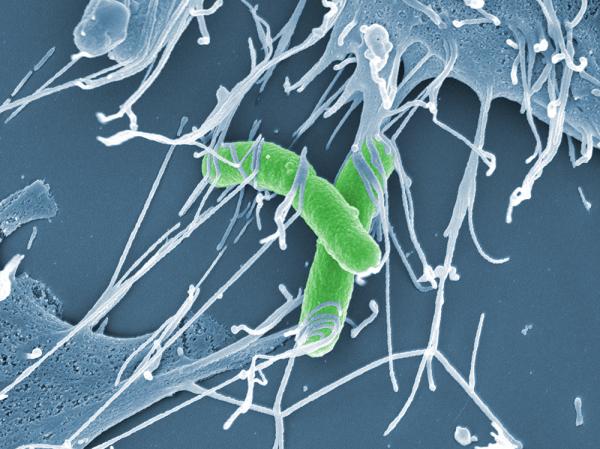
Although the vast majority of bacteria are innocuous or even beneficial to mammalian hosts, infections by pathogenic bacteria account for a variety of diseases that, despite the existing antibiotics, continue to threaten public health worldwide.
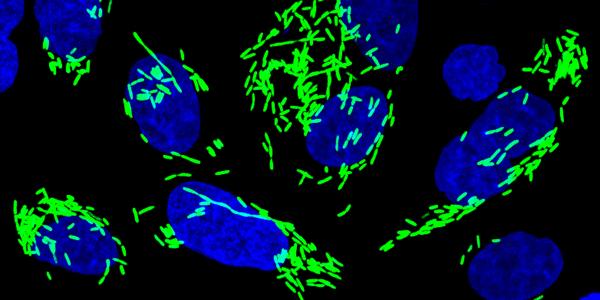
Bacterial infections are characterized by a complex interplay between pathogens and host cells, leading to alterations of multiple host cell functions. However, the impact of bacterial infection on host RNA metabolism, including non-coding RNA (ncRNA) expression and function, as well as the reciprocal impact of host RNA metabolism in the life cycle of bacterial pathogens remain largely unexplored. A proper RNA metabolism is essential to a number host cell functions and therefore it is not surprising that it contributes to a proper defense against infection, and that, on the other hand, pathogens have evolved sophisticated mechanisms to subvert these pathways to their own benefit.
The main goal of the laboratory is to identify host ncRNAs (specifically, microRNAs and long ncRNAs) that regulate and/or are regulated during infection by human bacterial pathogens (e.g. Salmonella Typhimurium, Shigella flexneri, Campylobacter jejuni and Staphylococcus aureus) and to characterize the molecular mechanisms underlying their function. To achieve this goal we are applying systematic approaches, including gain- and loss-of-function screenings using genome-wide microRNA libraries and ncRNA profiling by RNA-seq.
The identification of these ncRNAs will be instrumental to the development of novel therapeutic approaches against pathogenic bacteria, either through the modulation of selected ncRNAs, or of their targets.




Featured Publications
Information about journal articles, updated at 23-11-2026, from platform CIÊNCIAVITAE.
Publications
Information about journal articles, updated at 23-11-2026, from platform CIÊNCIAVITAE.
5 out of 49 Publications